



Meet the Ontology-Based Semantic and Context Layer for AI & Data Agents
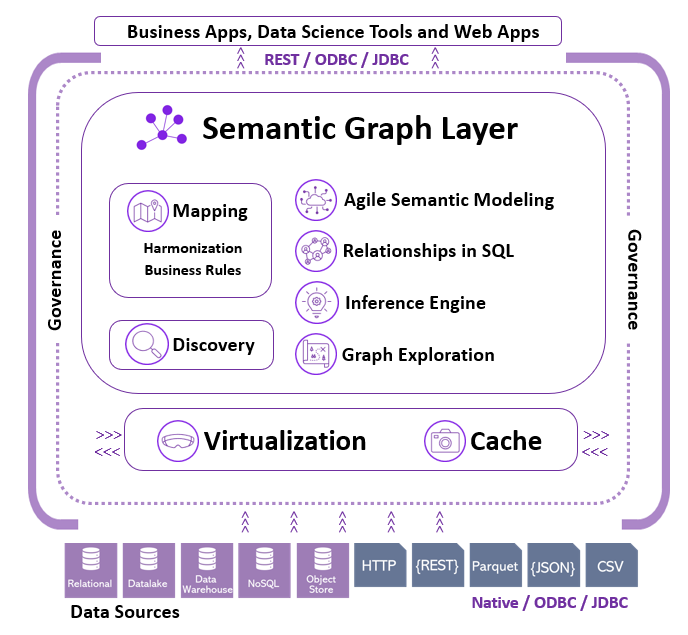
Timbr delivers the powers of knowledge graphs to consume data fast and with minimum effort
- Create a semantic graph model that endows data with meaning and relationships.
- Map data sources to the model to gain a 360° access to data.
- Query the model in SQL using relationships that replace JOINs.
- Query the model in Spark, Python, R, Java or Scala to power data science and ML.
- Virtualize and cache data to optimize query performance.
- Visualize and explore data as a web of relationships.
- Use of-the-shelf graph algorithms for advanced analytics without need of transforming data.
- Accelerate delivery of data products and enable universal data consumption via REST / ODBC / JDBC to power web applications and analytical tools.
What Semantic Context Makes Possible

AI Agents
Give AI agents business meaning, relationships, and governed context to work across enterprise data.

NL2SQL
Enable natural language access that translates business questions into accurate, governed queries.

GraphRAG
Use semantic relationships and governed context to retrieve accurate, explainable answers from enterprise data.

Unified Metrics
Create consistent KPI definitions and business logic that remain trusted across teams.

Cross-Source Analytics
Query and analyze data across warehouses, lakes, APIs, and applications from one layer.
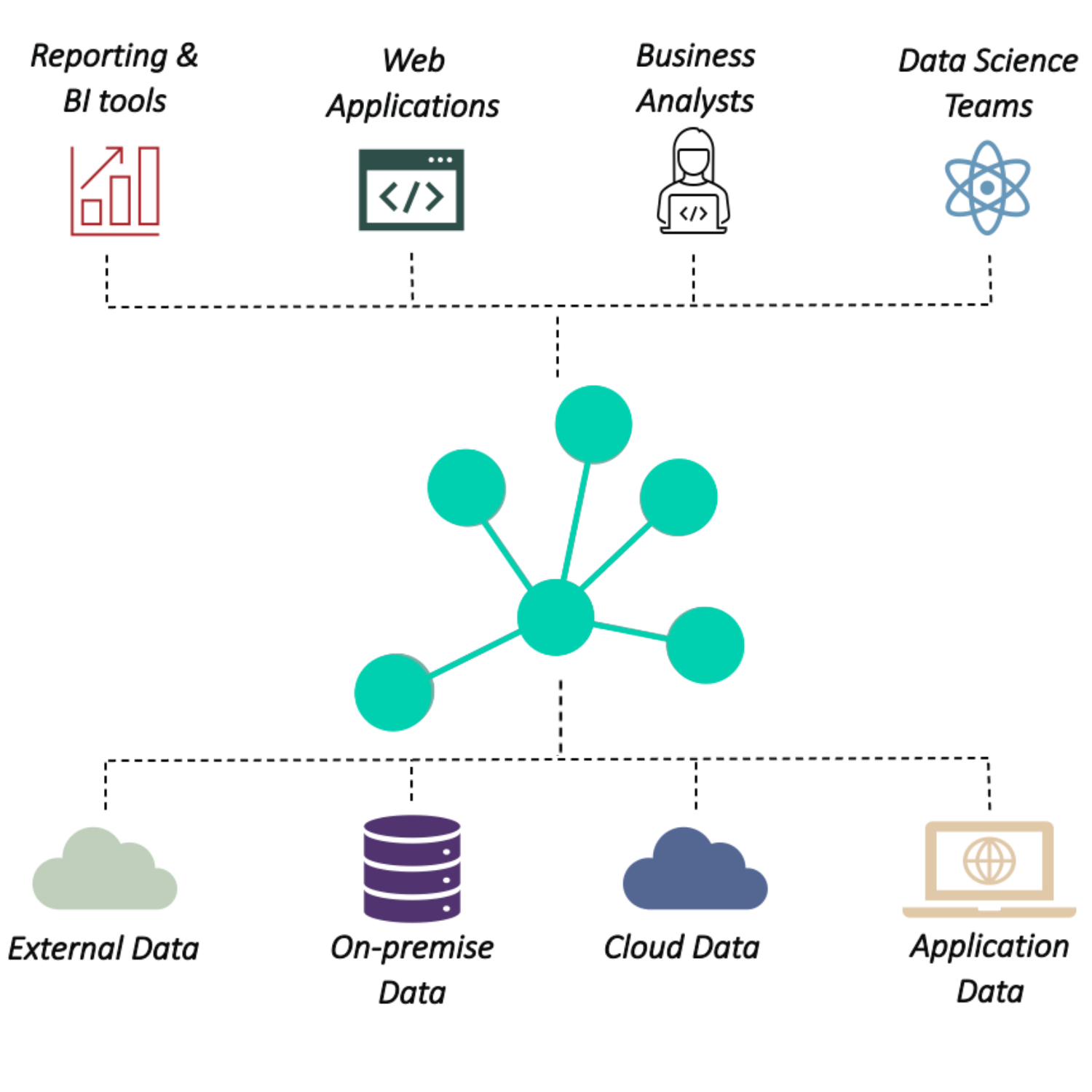
Data from everywhere to anyone
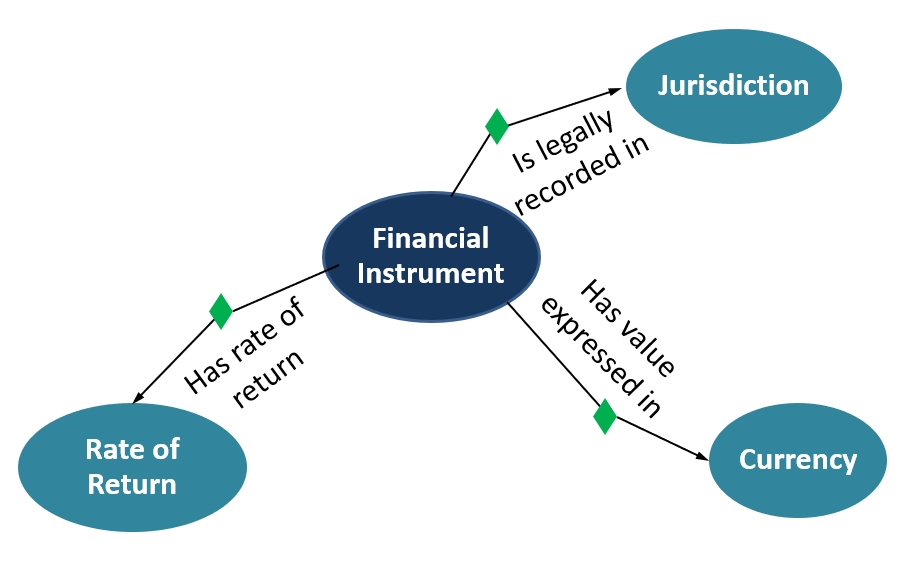
Timbr semantic graph enables seamless engineering and consumption of data from multiple sources, connected as a semantic graph characterized by relationships, unified metrics and business context.
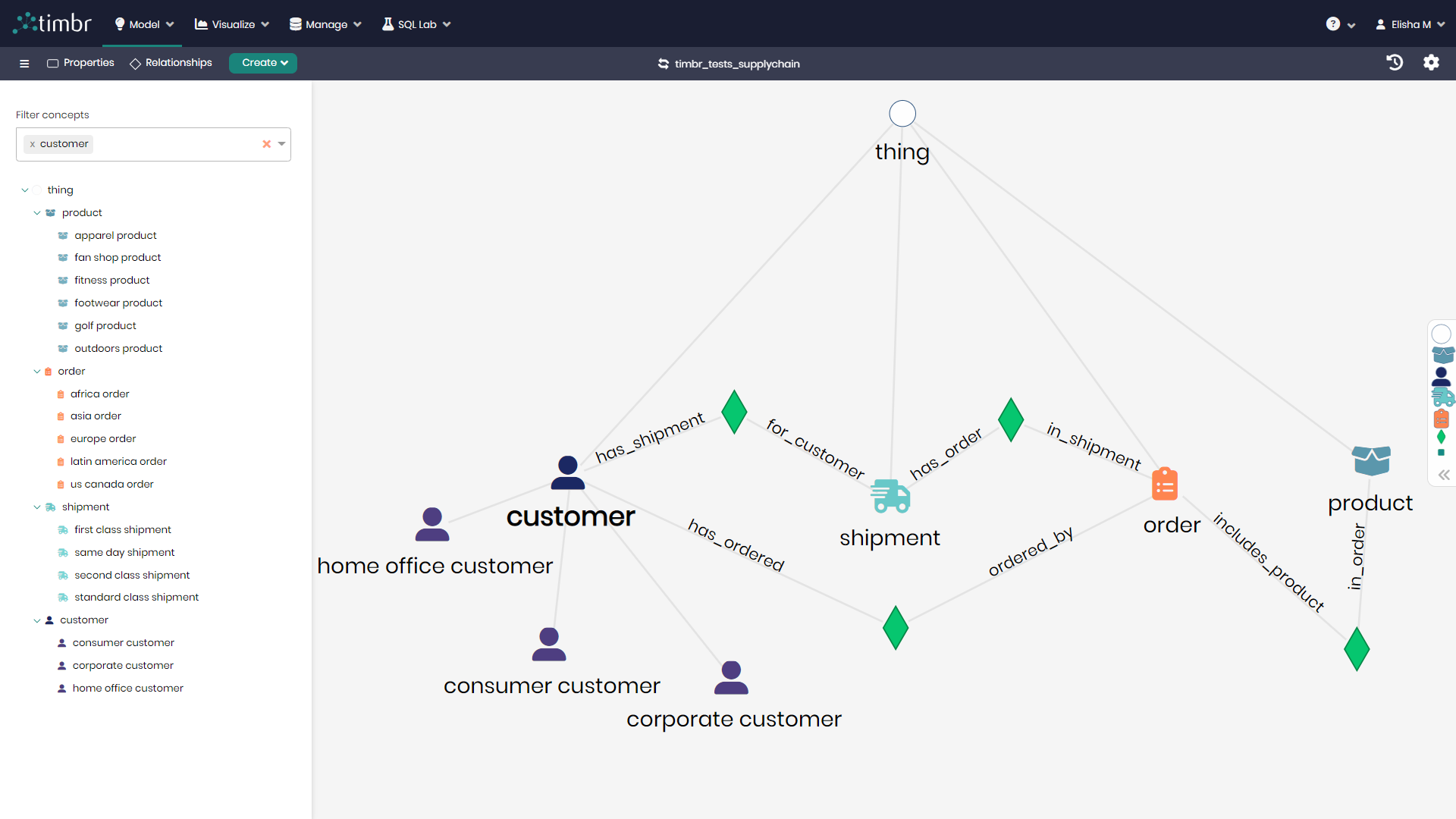
Agile semantic data modeling
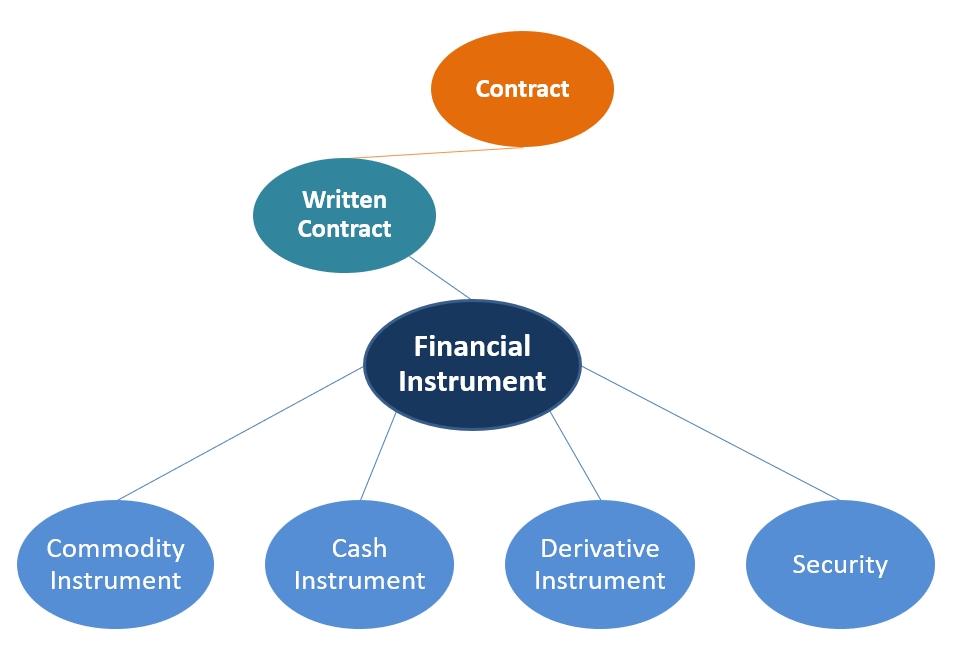
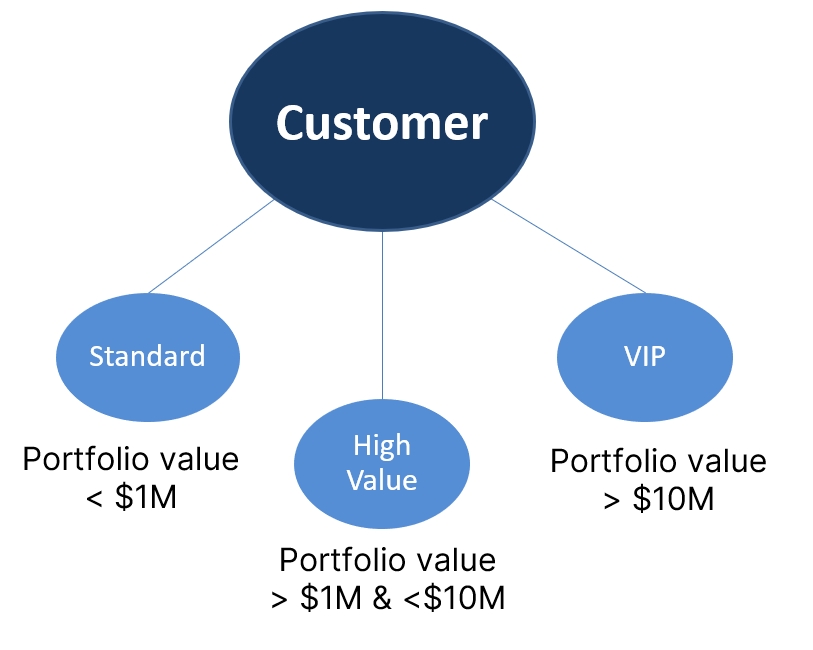
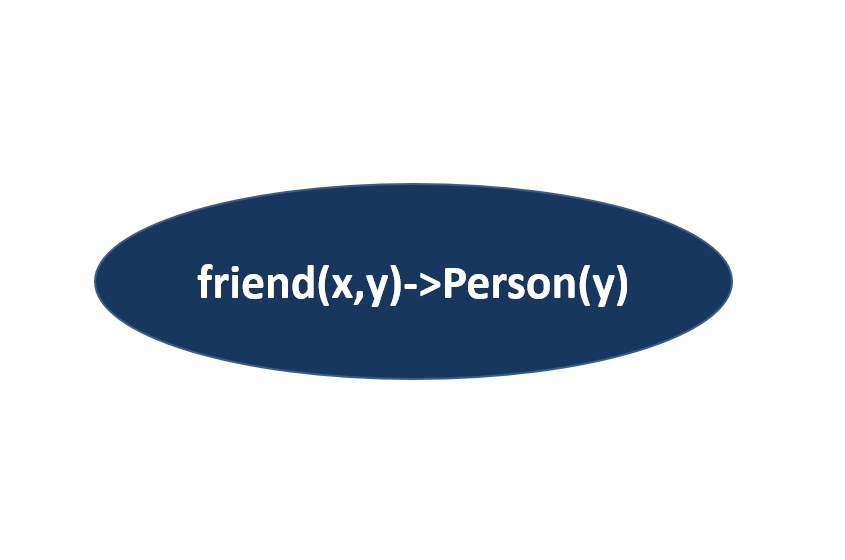
The platform features visual no-code data modeling of data using business concepts and relationships, aligning business metrics and unifiying naming conventions. Users leverage graph capabilities to model data for easy understanding and consumption with hierarchies, classifications and business rules, Learn more…
Short SQL Queries
Without Timbr: 22 lines of SQL
SELECT `order`.`order_id`, `order_date`,
`home_office_customer`.`customer_name`,
`first_class_shipment`.`shipping_date`,
`fitness_product`.`product_name`
FROM `scdata`.`datacosupplychaindataset_order` as `order`
LEFT JOIN (
SELECT product_id, product_name
FROM `supply_chain_demo`.`product`
WHERE `department` = 'Fitness') as `fitness_product`
ON `order`.`product_id` = `fitness_product`.`product_id`
LEFT JOIN (
SELECT `order_id`, `shipping_date`
FROM `scdata`.`datacosupplychaindataset_shipment`
WHERE `shipping_mode` = 'First Class') as `first_class_shipment`
ON `order`.`order_id` = `first_class_shipment`.`order_id`
LEFT JOIN (
SELECT `customer_id`,
concat(`customer_first_name`, ' ', `customer_last_name`) as `customer_name`
FROM `scdata`.`datacosupplychaindataset_customer`
WHERE `customer_segment` = 'Home Office') as `home_office_customer`
ON `order`.`customer_id` = `home_office_customer`.`customer_id`
WHERE `product_price` * `order_item_quantity` - `order_item_discount` > 500
With Timbr: 6 lines of SQL
SELECT order_id, order_date,
`ordered_by[home_office_customer].customer_name`,
`in_shipment[first_class_shipment].shipping_date`,
`includes_product[fitness_product].product_name`
FROM dtimbr.`order`
WHERE revenue > 500
- Query the model
- Quickly answer complex questions
- Write and debug queries easily
- Leverage explicit relationships to eliminate JOINs and UNIONs
- Simplify recursive queries
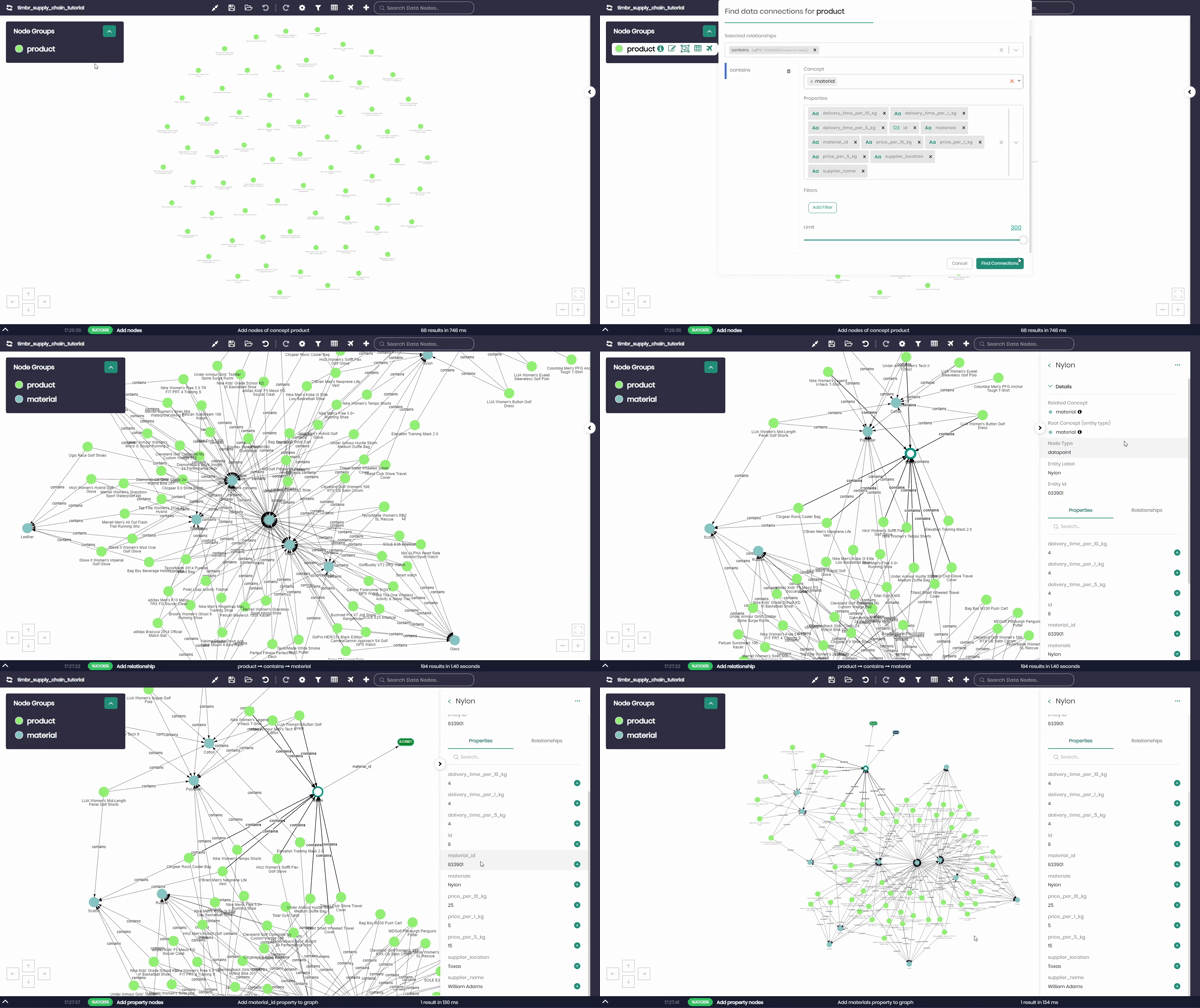
Visually exploring data as a graph
Timbr’s Graph Data Explorer allows users to visualize the underlying data as a graph, to explore and discover relationships and dependencies in the data. The module enables traversing the entire organizational data so users can better understand the data, discover hidden value, visually find answers and expose the data without need of extracting tables or views before running a query.
Explore AI and Semantic Context in Action
Blog
Why Snowflake Needs an Ontology-Based Semantic Layer
Explore how shared definitions, relationships, and semantic context help reduce fragmentation and improve consistency across Snowflake environments.
Blog
Why Enterprise LLMs Need SQL Knowledge Graphs for Accurate NL2SQL
Learn why enterprise AI struggles with complex data structures and how SQL knowledge graphs improve NL2SQL accuracy.
Blog
GraphRAG Without a Graph Database: Why SQL Ontologies May Be the Better Foundation
See how SQL ontologies provide semantic relationships and structured context for GraphRAG without requiring a separate graph database.